Lighting Controls and Dimmers Setup Orange County
Homes and businesses throughout Orange County operate on light. The ideal controls can make that light efficient, flattering, and simple to live with. Great dimming takes severe glare out of a kitchen area after sundown. A job sensing unit spares a conference room from burning watts all night. Smart scenes turn a patio area and pool into a welcome background when visitors get here. None of this takes place by mishap. It takes an eye for lighting design, a feel for how individuals really use spaces, and the technical judgment to match controls to components and electrical wiring that currently exist in the walls.
As a licensed electrical contractor working across Orange County for years, I have actually changed buzzing dimmers in 1960s ranch homes, tuned out flicker on high bay LEDs in industrial suites, and brought whole customized develops online with tidy keypad designs that anybody can operate. The innovation has actually matured, however the principles have actually not changed. Start with what the component requires and what the occupant wants, then select the ideal control, wire it correctly, and test it under real conditions.
What dimming really does to a room
Dimmer controls are not just about saving energy, though a 20 to 40 percent reduction prevails when individuals really use the slider. They improve how a room feels from hour to hour. A dining location that sits at 90 percent output while you set the table, then drifts to half once food hits the plates, keeps deals with warm and reduces eye strain. Living room look cozier with recessed lighting on a soft curve and table lamps bumped a little greater. In open strategy homes discovered all over Irvine and Mission Viejo, separate dimming control for the cooking area island, undercabinet runs, and cans over the living zone helps define areas without building walls.
On the business side, the stakes are different. Code driven daylighting controls near glazing matter in offices along Jamboree or in Costa Mesa design studios. Title 24 needs tenancy picking up and multilevel controls in lots of areas. The best setup cuts utility expenses, and it likewise helps with employee comfort. Overshooting brightness in an editing bay or oral operatory result in headaches and grievances, usually traced back to controls that do not match the load or the task.
The compatibility problem that eats afternoons
The most typical service call I get for dimmers is simple on the surface: "The brand-new dimmer makes the LEDs flicker." Nine times out of 10, the issue is inequality. There are 3 variables to align.

First, the dimmer technology. Standard triac forward phase dimmers, the old workhorse, still manage lots of line voltage LEDs, halogens, and incandescents well. Reverse phase, often called ELV dimming, pairs much better with numerous modern LED chauffeurs, using smoother low end and quieter operation. Then there is 0 to 10 V low voltage dimming common in business fixtures and some high effectiveness residential cans, which require an extra pair of control wires and a dimmer that sends out a low voltage signal instead of slicing the power.

Second, the motorist in the LED or component. Not all "dimmable" LEDs dim the same. One maker's A19 might bottom out at 20 percent with a visible dive, while another glides to 5 percent without stepping. Recessed lighting in Orange County tract homes frequently uses integrated LED modules with proprietary chauffeurs. Before we install 10 dimmers in a new cooking area, we bench test a module with two or 3 candidate controls and check low end behavior, pop-on threshold, and acoustic noise.
Third, the electrical wiring design. A multi-location 3-way or 4-way circuit needs a dimmer created for that usage with matching remotes or buddies. I still stroll into homes where a universal dimmer has actually been paired with a basic 3-way toggle. It may sort of work until it burns out or goes after the tourist through one area however not the other.
Where the neutral and derating bite you
Older homes in Santa Ana, Garden Grove, or Fullerton typically do not have a neutral in the switch box. Numerous clever dimmers and some electronic dimmers need a neutral to power their electronic devices. Without it, you get ghosting, limited dim range, or the dimmer refuses to power up. There are no magic repairs here. Either pick a control rated for two-wire operation with the exact load in play, or pull a neutral from the lighting circuit if code and routing enable. If the run looks difficult, sometimes a brand-new feed from the panel throughout a broader electrical panel upgrade in Orange County saves labor down the line.
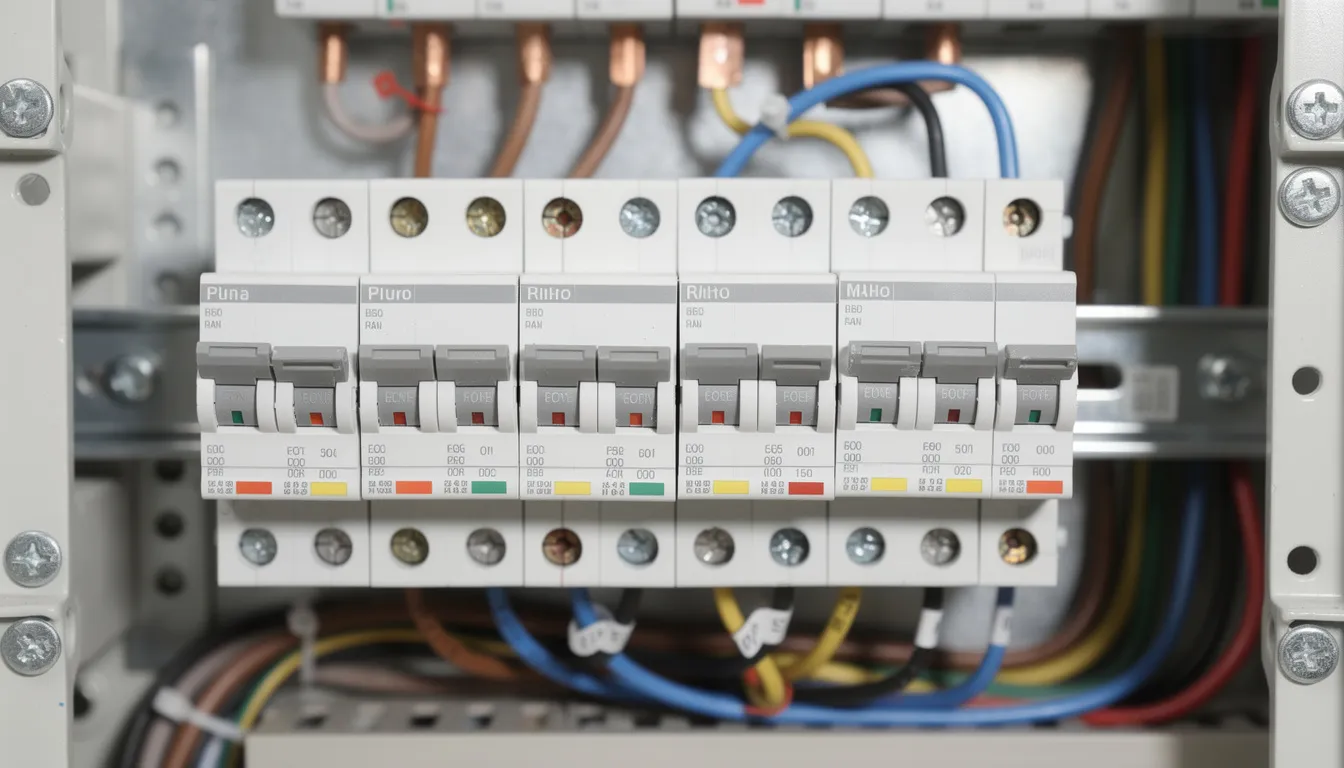
Gang boxes likewise crowd modern life. When we set 3 or 4 dimmers side by side in a shallow box, heat builds. A lot of makers need derating, which reduces the maximum allowed load per dimmer when controls share a yoke and the metal fins are broken off. That 600 watt score on the package might drop to 300 watts on the middle gadget and 500 on completions. With LED loads it looks like you have headroom, but cheap retrofits overemphasize inrush current and trip protective electronics. Plan for worst case loads and leave margin.
Title 24, local practice, and getting it passed
California's Title 24 energy code sets the standard for many domestic and commercial lighting control decisions. In remodel permits around Orange County, kitchens require a minimum of one high efficacy lighting source with vacancy or manual-on controls in particular cases, bathrooms require high efficacy with humidity or occupancy controls near showers, and garages require tenancy sensing units. Commercial spaces get more stringent with multilevel control zones, automated shutoff, and daylight responsiveness in daylight zones.
I see two typical mistakes on assessments. Initially, controls that do not offer an unique action between 30 and 70 percent of complete output in required areas. Second, daytime sensors that have actually been set up however not commissioned, so the space rides the luxury and stops working the practical intent. If your Orange County electrical contractor knows the inspector by name, you are ahead. If we handle the permit, we record control intent on the plan set and perform a functional test with you present. It keeps surprises off the last walk.
Where dimmers and controls pay off the most
Bedrooms gain from soft low end without buzzing at bedside. The technique is choosing lamps and dimmers created for peaceful operation, especially on switched receptacles. Kitchens should have independent control for cans, pendants, and undercabinet strips. I just recently retrofitted a Newport Beach kitchen area where the property owner had a single switch for fifteen recessed cans. We divided it into 3 zones and installed an ELV dimmer for the pendant line due to the motorist type. The https://louisicrw369.fotosdefrases.com/electrician-near-me-orange-county-quick-local-dispatch daily regimen now moves from bright breakfast to warm late-night snack at a thumb's touch.
Bathrooms require vacancy sensors tuned thoroughly. Absolutely nothing ruins rely on a control much faster than lights going dark throughout a shower. I set longer timeout intervals in master baths and utilize manual-on, auto-off vacancy sensing units by default to decrease nuisance activations. Garages and laundry rooms are ideal for occupancy sensors with 5 to 10 minute timeouts.
Patios and outside lighting around Laguna Niguel or Yorba Linda set well with timers and astronomic scheduling so lights track sunset through the year. Smart changes with local control backed by app scheduling make this easier without a different panel. Low voltage landscape systems typically take 0 to 10 V controls at the transformer place or usage scene controllers incorporated with the swimming pool and health club system.
For workplaces and light business suites, conference rooms do best with predetermined scenes: presentation, conference, and cleansing. Warehouses and production spaces should integrate occupancy sensing with high bay LEDs on 0 to 10 V control so components ramp instead of snap. When we upgraded a 12,000 square foot circulation area in Anaheim, tuning the low end to 30 percent for occupied mode with daytime harvesting along the boundary yielded a 28 percent energy decrease over the first quarter, validated on the meter.
Smart controls without chaos
Smart home circuitry can be stylish or it can become a tangle of centers and lost passwords. Two guidelines keep it sane. Initially, choose a platform with a future. Devices that work in your area and integrate with at least 2 major communities age better. Second, match the clever dimmer to the load type initially, then fret about voice assistants. I still advise hardwired scenes for crucial rooms so a wall keypad works when Wi-Fi goes down.
For bigger homes in Coto de Caza or San Clemente, central lighting with low voltage keypads can make good sense. You run loads back to a panel, then program scenes per location. It costs more in advance and needs thoughtful design, however the result is a tidy wall with one smooth keypad where 5 gang boxes would have sat. For smaller jobs or single spaces, distributed smart dimmers do the job. Anticipate to invest an additional 80 to 200 dollars per regulated zone for quality clever devices compared to basic dimmers, special of labor.
A quick pre-install checklist
- Identify the precise fixtures and lamps, consisting of design numbers and whether they utilize forward phase, reverse stage, MLV, ELV, or 0 to 10 V.
- Confirm switch locations and whether you have 3-way or 4-way circuits that require companion controls.
- Check each box for a neutral conductor and procedure box depth and cubic capacity.
- Decide on control design, from paddle dimmers to keypads to sensors, and verify finish and inscribing if needed.
- Verify code triggers for Title 24 in the impacted spaces and whether an authorization is part of a bigger remodel.
What installation really looks like
On a normal property dimmer install in Orange County, a single zone takes 30 to 60 minutes once we are on site with the ideal parts. Multi-gang swaps and wise device commissioning push that to numerous hours. Business retrofits can vary from an exact same day electrical expert check out for two workplaces to a phased plan throughout nights and weekends for occupied spaces.
In older homes, we frequently start with a security check at the panel. A fast infrared scan and torque verification on breakers and neutrals avoid problem concerns later. If the panel is overcrowded, we go over a panel replacement Orange County clients often postpone up until a real requirement arises. The reality is that new loads like an EV battery charger setup Orange County homeowners request can tip a minimal panel over the edge. It is cheaper to plan capacity than to band-aid it.
With controls in hand, we identify circuits, test for power, and open the gadget boxes. Multi-gang boxes get measured for volume allowances, and we adjust splices with Wago adapters to clean up area. If we have a 0 to 10 V run, we pull or locate the violet and gray conductors and land them on the right terminals, then cap the changed hot appropriately. For wise dimmers that require a neutral, we verify the neutral is from the same circuit to prevent shared neutral issues that trip GFCI or AFCI devices upstream.
We end with functional testing. On LED loads, I set the trim or low end change to the threshold where the light just starts to radiance, then confirm smooth travel with no pop-on. Buddy controls in 3-way setups get synced so the indicator LEDs track the load state. If there is a hum from a magnetic low voltage transformer feeding strip lights or pendants, we switch to an MLV rated dimmer and verify with the manufacturer's chart.
Typical installation steps most property owners can expect
- Walkthrough to validate zones, loads, and control styles, with quick test of existing switches.
- Power down and gadget replacement, consisting of correct bonding and box layout.
- Programming of smart devices or scenes, plus Wi-Fi pairing if applicable.
- Functional test under real light levels, with trim and timeout adjustments.
- Brief owner orientation and labeling for future reference.
Costs, timelines, and where money goes
For standard line voltage dimmers on suitable LED components, anticipate parts to run 20 to 60 dollars per device for dependable brands. Specialty gadgets like ELV or MLV dimmers land between 70 and 150 dollars. Smart dimmers and keypads vary widely, frequently 80 to 250 dollars, with hubs or bridges adding 100 to 300 dollars per system. Labor in Orange County depends on access, box condition, and whether patching is needed. A simple single dimmer swap may be an inexpensive electrical contractor job bundled with other little products like outlet setup Orange County property owners commonly demand. A whole-home control revitalize with engraving, multi-gang boxes, and commissioning can cover 1 to 3 days with two techs.
Commercial work adds control wiring for 0 to 10 V, sensing unit placement, and Title 24 approval screening. Budget plan 300 to 600 dollars per controlled zone in little suites, more if ceiling gain access to is tight or the renter improvement requires after-hours work.
Hidden costs show up when existing circuitry does not support the strategy. No neutral at package, undersized or overfilled boxes, or miswired 3-ways require time to sort. Preparation helps. If you are already opening walls for entire home rewiring Orange County professionals can include neutrals and deeper boxes at a portion of the standalone cost.
Troubleshooting the typical suspects
Flicker at the low end frequently fades with a different dimmer innovation or a firmware update on wise loads. If the concern appears at a fixed level, not as a pulsing, switch a light or LED module to a noted compatible choice. Pop-on, where the light jumps from dark to bright, usually means the driver's minimum current draw is greater than the dimmer can feed at low levels. Raising the trim resolves it.
Buzzing from the dimmer points to forward phase control on a load that desires reverse stage or to an MLV transformer not designed for the current dimming type. Heat on the faceplate outside regular heat suggests overloading or insufficient derating in a multi-gang situation.
Dead controls in multi-location circuits generally boil down to traveler and common miswires. Label the typical wire on removal. If somebody swapped wire colors in the past, the usual red tourist assumption might fail you. When in doubt, map it.
Sensors that incorrect trigger in bathrooms frequently have their sensitivity on high and their field of vision catching a corridor. Tilt or mask the lens, lower level of sensitivity, and adjust timeout. For open workplaces along windows, daylight sensors positioned too near lighting fixtures read their own effect and chase brightness. Move the sensor into the actual daytime zone and re-commission.
When lights trip a breaker on dim up, do not overlook nuisance journeys. AFCI or GFCI gadgets secure you. The remedy might include transferring the neutral path or correcting shared neutrals that were acceptable under older practice however not under today's breakers. If you have repeat journeys, an Orange County electrical repair visit that traces neutrals can conserve days of frustration.
Safety and authorizations are not optional
Even when a property owner feels handy, a miswired dimmer can backfeed, stimulate a neutral, or produce a shared neutral issue that just appears when a vacuum runs in the next space. Title 24 and regional amendments need particular control techniques. If we pull an authorization in Laguna Beach, Huntington Beach, or Anaheim, we set up examination and stand there while controls get tested. An electrical inspection Orange County authorities perform is not just about code, it is a second set of eyes on security. In occupied commercial spaces, acceptance testing is mandatory for numerous systems.
Safety surpasses code. Dimmers and sensing units run warm. Packing boxes with extra splices or using commodity devices without appropriate listings invites failure. Buy listed gadgets from known channels. If your gadgets are 10 years old, consider replacements. Electronics age. While doing lighting, we typically note other products: a ceiling fan installation Orange County house owners did long ago without a fan-rated box, or a GFCI missing at a cooking area island. Bundling these with the control work saves trips.
Choosing the right partner for the work
Look for a licensed electrician Orange County based who inquires about your components initially, not simply the color of the dimmer you desire. Good concerns about three-way circuits, neutrals, and lamp models are signs of proficiency. A residential electrician Orange County homeowners trust should be prepared to bring sample controls to test with your precise LEDs. For bigger suites, a commercial electrician Orange County managers employ will discuss zones, schedules, and Title 24 acceptance.
Response time matters when lights stop working right before an occasion or your shop goes dark. A 24 hr electrician Orange County property managers keep speed dial can support a circuit or swap an unsuccessful control over night. For non-urgent jobs, same day electrician Orange County scheduling is frequently offered for two to 4 zone upgrades. Price matters too. An economical electrical expert Orange County residents advise will still specify the best control, not the least expensive slider that will buzz for years.
Searches for electrician near me Orange County return pages of names. Referrals bring more weight. Request photos of comparable work. Look for tidy labeling inside boxes and panels. If your project touches a main service, choose a contractor comfy with an electrical panel upgrade Orange County permitting requires, or a panel replacement Orange County inspectors will sign off without a rewrite.
How controls suit the bigger electrical picture
Lighting controls touch other systems. When house owners add an electrical vehicle charger Orange County utilities see spikes throughout peak hours. Good lighting scheduling reduces night require a bit, which is not nothing when paired with TOU rates. If you have a generator setup Orange County standby system, make sure crucial lighting loads are on the backed-up circuits, which dimmers utilized there play perfectly with the generator's waveform. In combined systems with low voltage electrical wiring for audio or tones, coordinate terminations so control lines do not cause sound into speakers or data.
For wise homes, keep the Wi-Fi and control equipment on a small UPS so schedules and scenes run through short interruptions. If a whole home rewiring Orange County project is underway, pull additional low voltage for future 0 to 10 V or data lines, even if today's fixtures are simple. Wire is cheaper than drywall.
A quick story from the field
We were contacted us to a mid-century location in Orange with ceilings furred down to hide old can lights. The property owner had tried 3 "universal" dimmers from the huge box store. Every one flickered during the night. We pulled a module, discovered an ELV chauffeur on the integrated LED, and swapped in a reverse phase dimmer with a neutral connection. We trimmed low end to 8 percent and tied a bedside remote to the living room zone through the smart bridge so motion picture nights did not need a journey to the wall. Overall on site time was under three hours. Cost was less than the stack of returns he had made over two weekends, and the space lastly matched the mood he wanted.
On a different task in a Tustin dental workplace, the operatory lights looked fine in the beginning however banded on electronic camera during imaging. The offender was PWM frequency connecting with the video camera sensor. Switching to a motorist with greater PWM frequency and a 0 to 10 V dimmer treated it. We likewise set a tenancy sensing unit with a manual-on mode so personnel might keep lights off when daytime was abundant along the south windows. Utility expenses dropped about 18 percent over the next billing cycle, and patient images looked clean.
When to require help
If a control runs hot to the touch, trips a breaker, or you hear buzzing from a wall box, stop and call a regional electrical expert Orange County based who can diagnose safely. If you are preparing a more comprehensive remodel, bring an Orange County electrical contractor in early to coordinate lighting with drywall and cabinetry. When a single area needs a quick fix or upgrade, a finest electrical contractor Orange County homeowners trust can frequently manage it in one visit. For larger control systems or Title 24 heavy work, try to find a leading rated electrical contractor Orange County organizations have utilized for approval screening and commissioning.
Good lighting control is quiet. It does not draw attention to itself. You see it when you want illuminate for a job, lower for a meal, or off when a room empties. Accomplishing that takes knowledge, patience, and respect for the small variables that make huge distinctions. Orange County has its share of sun and style. With thoughtful dimmers and controls, your areas can match both.